Claudya Coast: A Fresh Take on Handwritten Script for Modern Projects
You know that moment when you're scrolling through a sea of branding and something just makes you pause? It's rarely the most complex design—often, it's something with personality, a human touch that cuts through the digital noise. That's the space a font like Claudya Coast occupies. It’s not just another script typeface; it’s a tool designed to inject a specific kind of energy into your work—modern, approachable, and undeniably playful.
The Visual Appeal: More Than Just Swirly Letters
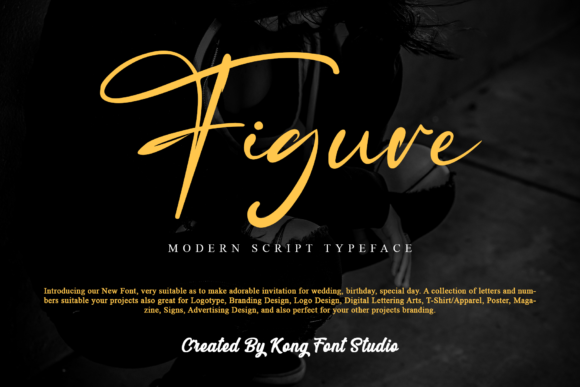
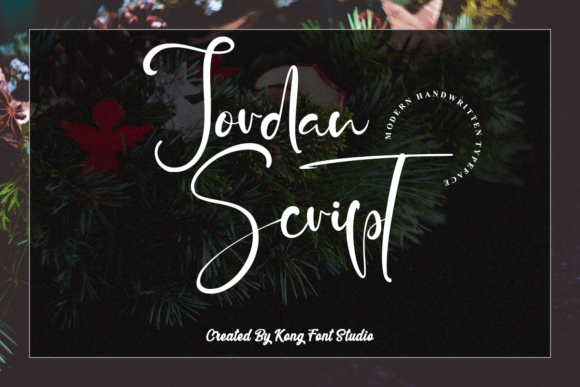
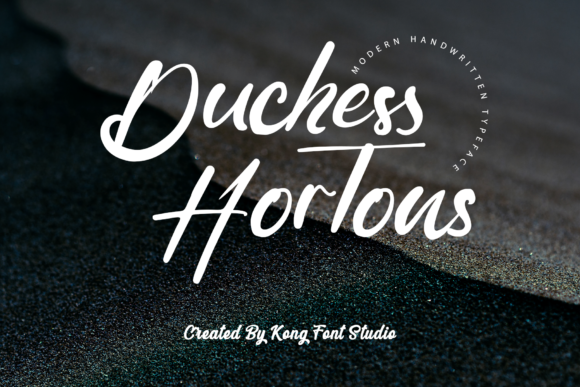
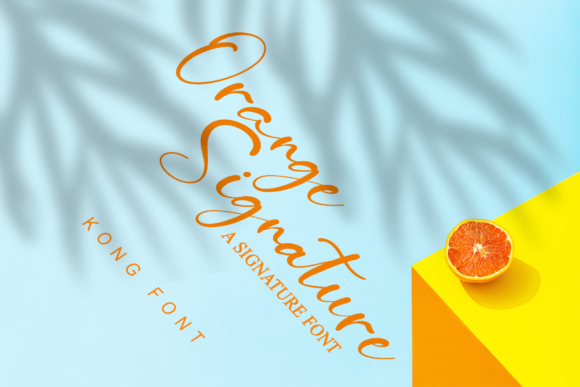
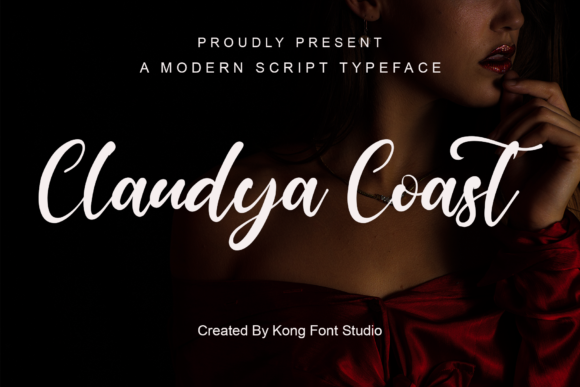
At first glance, Claudya Coast is a handwritten font, but that description doesn't quite capture its essence. It avoids the overly formal, calligraphic look that can sometimes feel dated or stuffy. Instead, its strokes have a relaxed, fluid quality, like a confident jotting in a designer's notebook. The letterforms are consistent yet have enough variation to feel authentically crafted, not machine-generated. This balance is crucial. It provides the warmth and individuality of handwriting while maintaining the legibility and polish required for professional applications. The "Coast" in its name feels apt—it suggests a breezy, creative, and slightly adventurous vibe, perfect for brands that want to feel connected, creative, and current.
Where Does a Font Like This Actually Shine?
Understanding a font's personality is one thing; knowing where to deploy it is where the real value lies. Claudya Coast isn't a workhorse for body text, but as a display font, it’s incredibly versatile. Think of it as your secret weapon for adding a focal point or a signature style.
- Logo Design & Brand Identity: This is perhaps its sweet spot. For a boutique coffee roaster, a handmade soap company, or a creative consultancy, a script font like this can form the core of a logo that feels personal and artisanal. It immediately communicates a brand's hands-on, detail-oriented ethos.
- Packaging & Product Labels: On a physical product, typography is tactile. Using Claudya Coast for a product name on a jar of jam, a bag of craft coffee, or a candle label can elevate the perceived value, making it feel special and thoughtfully designed.
- Social Media & Digital Content: In a feed dominated by clean sans-serifs, a playful handwritten script can stop the scroll. It's fantastic for Instagram quotes, YouTube thumbnails, podcast artwork, or promotional graphics where you need to convey excitement, creativity, or a personal announcement.
- Marketing Materials & Invitations: From wedding invitations and event flyers to sale announcements and email headers, this font style adds a celebratory, human touch that more formal typefaces lack.
- Merchandise & Apparel: For t-shirt printing or tote bags, a stylish script font can make a simple phrase or brand name look trendy and desirable. It’s a staple in the streetwear and indie merch world for a reason.
Making It Work: Practical Pairing and Readability Tips
The biggest mistake with expressive fonts is overuse. A page set entirely in a handwritten script would be exhausting to read. The key is contrast and hierarchy. Claudya Coast works best when paired with a simpler, more neutral typeface.
For web design or editorial layouts, try pairing it with a clean sans serif font for body text. The script font can handle headlines, pull quotes, or section titles, while the sans-serif ensures the main content remains highly readable. For a more traditional or sophisticated feel, it can also be paired with a classic serif font. The contrast between the organic, flowing script and the structured, serif letterforms can create a beautiful and balanced visual rhythm.
Always test your pairings in context. View your logo mockup on a business card, a website header, and a social media profile. Check how the Claudya Coast font looks at different sizes. Is it clear at a small scale on a mobile screen? Does it maintain its charm when scaled up for a poster? Readability is non-negotiable, even for decorative type.
Beyond the Glyphs: Licensing and Professional Use
When you find a font you love, the excitement can make you skip the fine print. Don't. For any commercial project—whether it's for a client, a product you sell, or your own business—understanding the license is essential. Fonts are creative assets, and their use is governed by the license you purchase.
Typically, a premium font like Claudya Coast from a foundry like Kong Font Studio comes with a commercial license. This means you can use it for client work, merchandise, and digital products. However, licenses can vary. Some may have limits on the number of users or the types of projects (e.g., print vs. web). Always review the specific license terms provided at the point of sale, usually on the marketplace like Creative Fabrica. This due diligence protects you legally and supports the type designers who create these valuable design assets.
Choosing a font is a small decision with a big impact on your project's voice. A creative font like Claudya Coast offers a specific, valuable aesthetic: modern, playful, and human. By using it strategically—as a highlight, not the whole canvas—and pairing it thoughtfully, you can create designs that feel both professional and personally crafted, helping your work stand out with a distinct and engaging visual identity.