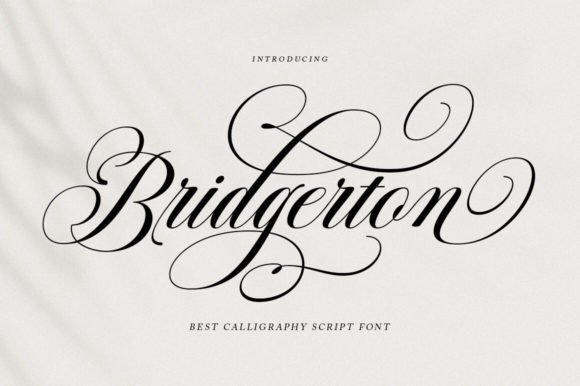
Sunflower Font: A Handwritten Typeface for Modern Creatives
There’s something undeniably warm and inviting about a font that feels human. In a world saturated with digital precision, a typeface like Sunflower offers a breath of fresh air. It’s a cute, handwritten font, carefully handcrafted to become a true favorite. This isn't just another script font; it maintains its classy calligraphic influences while feeling contemporary and fresh. That unique blend is its superpower, offering a versatility that appeals to a wide range of crafty ideas, from elegant letterheads and striking titles to personalized stationery and beyond.
The Personality Behind the Letters
What makes Sunflower stand out in a crowded market of premium fonts? Its personality. This is a typeface that doesn’t just display words; it communicates a feeling. The gentle, flowing curves mimic the natural variation of a hand-drawn script, giving your text an authentic, approachable vibe. Yet, it avoids looking messy or unprofessional. The thoughtful spacing and consistent baseline ensure that while it feels personal, it remains highly legible—a critical balance for any creative font. Think of it as the typography equivalent of a friendly smile: instantly likeable and trustworthy.
This character makes it an exceptional choice for projects where connection is key. A bakery’s logo using Sunflower feels homemade and welcoming. A wedding invitation suite feels heartfelt and custom. A social media graphic for a wellness brand feels calming and genuine. It’s a modern typography workhorse that injects personality without sacrificing clarity.
Practical Applications Across Creative Projects
The true test of a font is its real-world utility. Sunflower shines across a spectrum of applications, making it a valuable asset in any designer's toolkit. Its strength lies in its ability to adapt to different contexts while maintaining its core identity.
For Branding and Identity: A strong brand identity hinges on visual consistency. Using Sunflower for primary headings, taglines, or signature elements across your logo design, business cards, and website can create a cohesive and memorable look. It helps a small business or entrepreneur project a brand that is both professional and personable, bridging the gap between corporate polish and human touch.
In Digital Spaces: On websites and blogs, Sunflower can be used strategically for featured quotes, section headers, or call-to-action buttons to draw the eye and add visual interest. For social media graphics, it’s perfect for creating engaging Instagram stories, Pinterest pins, or Facebook ads that stop the scroll. Its handwritten nature makes text feel less like an advertisement and more like a personal note from the creator.
For Print and Packaging: The font’s elegance comes to life in print materials. Imagine it on product packaging for artisanal goods, on the cover of a boutique magazine’s editorial layout, or on merchandise like tote bags and mugs. For invitations—whether for a wedding, a workshop, or a product launch—Sunflower sets a tone of careful curation and special attention to detail, elevating the perceived value of the event or product.
Making Sunflower Work for Your Design Goals
Choosing the right font style is only half the battle; knowing how to implement it effectively is what truly elevates a project. Here’s some practical advice for integrating Sunflower seamlessly into your work.
Font Pairing is Key: Sunflower, as a script or handwritten display font, works best when paired with a cleaner, more neutral typeface. Consider pairing it with a simple sans serif font for body text or a classic serif font for a more traditional feel. The contrast ensures the handwritten style remains a highlight without overwhelming the reader or compromising readability on longer passages. Always test your pairings in context to see how they interact.
Readability First: While Sunflower is crafted for clarity, it’s wise to use it primarily for shorter blocks of text—headings, subheadings, logos, and pull quotes. For body copy in digital products, blogs, or marketing assets, a highly legible sans serif or serif font is a safer choice. This hierarchy not only improves readability but also creates a more professional presentation, guiding the reader’s eye naturally through your content.
Explore the Styles: Many premium fonts, including quality handwritten fonts, come with multiple styles. Check if Sunflower includes alternates, swashes, or different weights. These extras can add tremendous value, allowing you to customize letters, create unique logo marks, or add flourish to special words. Experimenting with these options can help you unlock even more creative potential and enhance audience engagement through unique visual details.
Licensing for Commercial Use: If you’re using Sunflower for client work, merchandise, or any project that generates revenue, it’s crucial to ensure you have the correct commercial license. Most reputable font foundries and marketplaces offer clear licensing options. Respecting the font creator’s terms not only keeps your project legally sound but also supports the designers who create these valuable tools for the creative community.
A Type Choice That Connects
Ultimately, the fonts we choose are silent ambassadors for our projects. They set a mood, convey a message, and shape perception before a single word is read. Sunflower offers a way to communicate with warmth, creativity, and a touch of elegance. It’s more than just a set of letters; it’s a design asset that helps tell a story, build a brand, and connect with an audience on a more human level. Whether you’re a crafter working on a personal project or a marketer building a brand’s visual language, it provides a tool to make your work feel both thoughtful and refreshingly real.